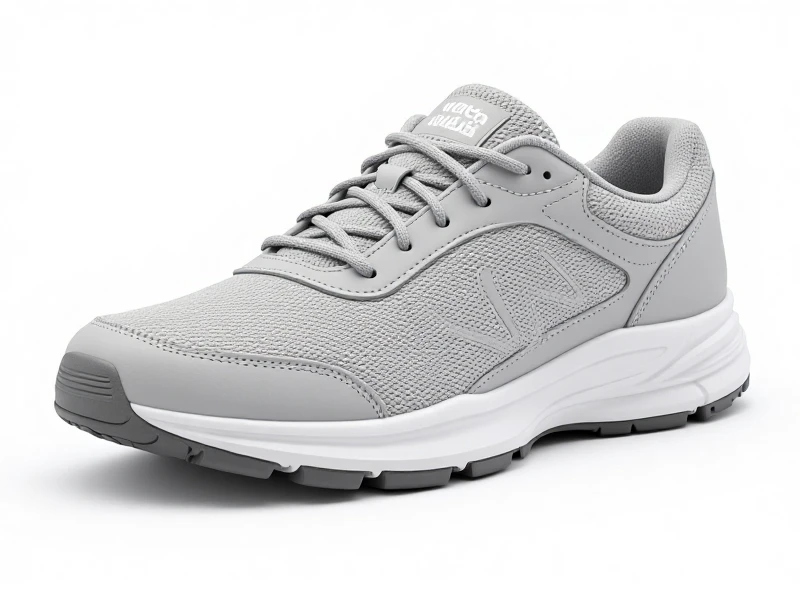
Your Guide to Finding the Perfect Running Shoes for Every Run
When you're out clocking miles, running shoes are your most critical gear. They cushion your stride, support your joints, and help prevent injuries. With countless options available, selecting the ideal pair can feel overwhelming. This practical guide cuts through the noise to help you choose running shoes tailored to your needs.
First, consider your running style. Do you overpronate, underpronate, or have a neutral gait? Visit a specialty running store for a gait analysis—many offer free assessments. This insight determines whether you need stability shoes, motion control options, or neutral running shoes. Brands like Brooks, Nike, and Asics design models specific to each category.
Next, think terrain. Road-running shoes prioritize lightweight cushioning and responsiveness for pavement. Trail running shoes feature aggressive treads and rugged soles for muddy paths or rocky tracks. For treadmill fans, versatile cross-trainers bridge both worlds. Match your shoe type to where you run most often to boost comfort and traction.
Don’t forget fit and feel. Running shoes should have a thumbnail’s length of space at the toe to prevent blisters and allow foot expansion. Try them on in the afternoon when feet naturally swell. Test jog or hop in-store to assess pressure points. Breathable mesh uppers keep feet cool, while added arch support combats fatigue on long runs. New runners often prioritize cushion; seasoned marathoners might seek energy-return technologies.
Remember to rotate shoes if you run frequently. Alternating pairs extends their lifespan and lets cushioning rebound between sessions. Replace them every 300–500 miles—when treads wear smooth or joints start aching post-run.
The right running shoes transform every stride. Invest time in selection, and you’ll enjoy smoother, safer miles ahead. Ready to make your move? Visit a trusted retailer to start your journey.